
Staff engagement is one of the most overlooked but powerful levers for boosting customer reviews. When your team actively participates, you see higher review volume, better quality feedback, and greater trust from potential customers.
Review collection is not just a marketing task; it is a team sport, and every sector can benefit from a tailored approach. This article explores actionable ways to get your staff involved, why it matters, and how to adapt your strategy for a range of industries.
Why Staff Engagement is Essential for Review Collection
When staff take ownership of the review request process, businesses typically see a dramatic increase in response rates and more authentic feedback. A personal request from a trusted service provider, whether it is a stylist, mechanic, or server, makes customers feel valued and more likely to share their experience. This not only boosts your review count but also enhances your business’s visibility in local search results and builds stronger social proof for future customers. For further reading, see BrightLocal’s guide on reviews and local SEO and Moz’s guide to online reviews.
Motivating Your Team: Strategies That Work
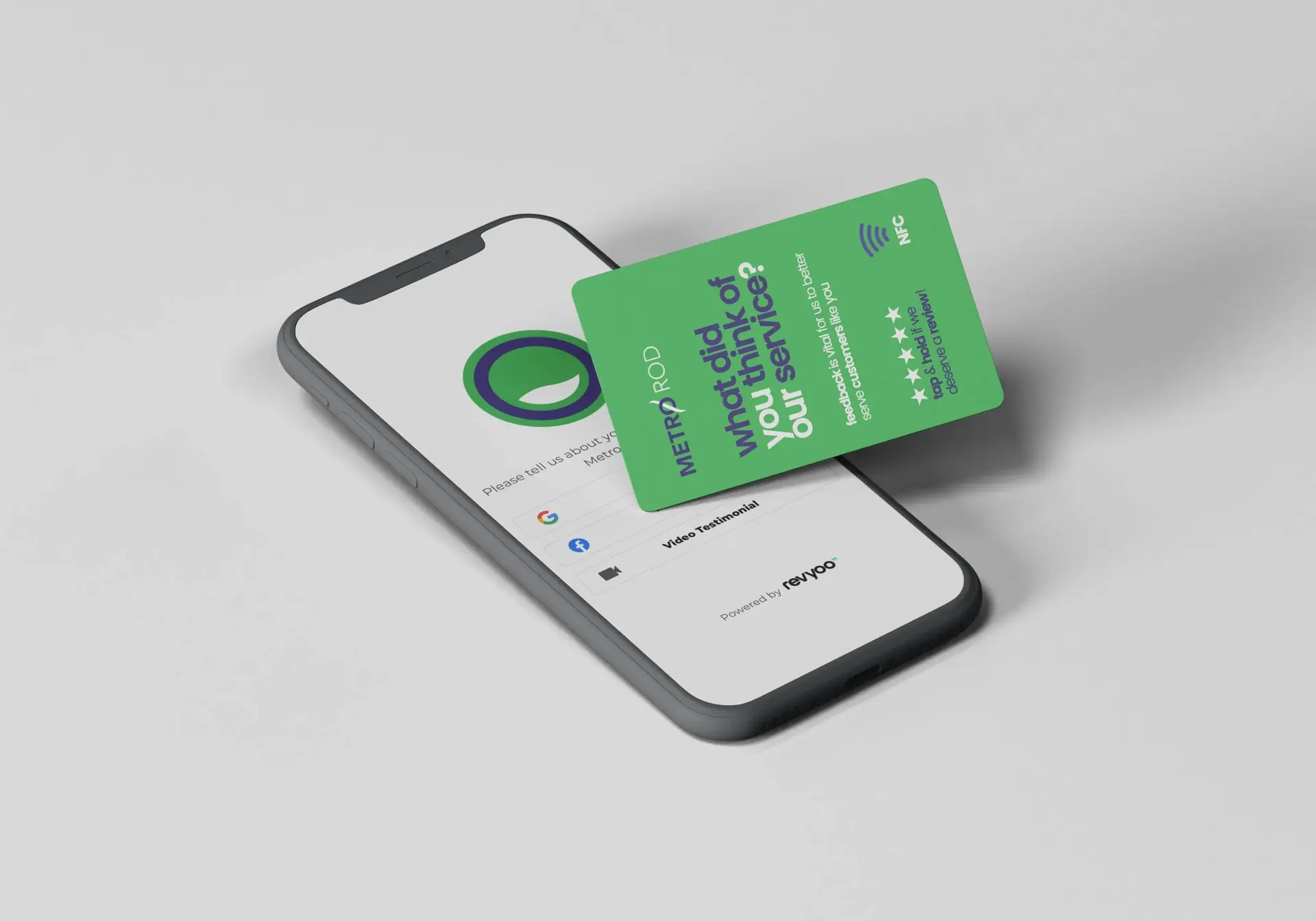
The first step is to integrate review requests into everyday workflows. For example, staff can be prompted to ask for reviews at the point of sale, after an appointment, or when a service is completed. Training is crucial. Role-playing common scenarios and providing scripts help staff feel comfortable making the ask. Incentives, such as recognition, rewards, or friendly competitions, can further motivate your team. It is important to equip staff with tools that make the process effortless. NFC review cards, QR codes, and digital templates remove friction and streamline requests. For Google-specific best practices, see Google’s official review guidelines.
Sharing real-world success stories can also inspire your team. For instance, a salon that doubled its reviews within a month after introducing a staff incentive program, or an auto repair shop that improved its Google ranking by consistently requesting feedback at checkout. These stories help your team see the tangible impact of their efforts. Learn more in our article, Business Reviews – 3 Common Mistakes Business Owners Make.
Sector-Specific Approaches
Every sector has unique touchpoints for collecting reviews. In salons and hairdressers, stylists can ask at checkout or after appointments, and appointment reminders can include a review link. Auto repair shops often find success when front desk staff request reviews after service, especially when paired with SMS follow-ups or NFC cards. Spas and wellness businesses can have therapists request feedback post-treatment, supported by automated emails.

Staff should be trained to ask for reviews after positive customer interactions.
Professional services, such as accountants or consultants, can include review requests in project wrap-ups or after delivering successful outcomes. In food and beverage, servers and baristas should be trained to ask for reviews after positive interactions, and table tents or QR codes on receipts can prompt action. Cleaning services can use NFC cards when they’re with their custmers or send follow-up messages after each job. As you expand, consider how healthcare, fitness, real estate, and other sectors can adapt the timing and script of review requests to fit their customer journey.
Overcoming Staff Resistance
Some staff may feel uncomfortable asking for reviews, especially if they fear it will come across as pushy. Address this by role-playing scenarios and providing clear, natural scripts. Time constraints are another concern. Streamline the process with quick, easy-to-use tools so it does not add to their workload. Help staff see the value in their efforts by connecting reviews to business growth, job security, and even personal recognition. For more on the psychology of reviews, see Harvard Business Review’s analysis.
Tracking Results and Celebrating Wins
To sustain momentum, monitor which staff members are making requests and track review volume and quality over time. Celebrate milestones, such as the 100th review or a month of consistent five-star feedback, and recognise top performers in team meetings or internal communications. This not only motivates your current team but also sets a standard for new hires. For data-driven tips, visit Trustpilot’s advice on collecting reviews.
To Wrap Up
Getting your staff involved in review collection is one of the most effective ways to grow your business’s online reputation. By tailoring your approach to each sector and embedding review requests into daily operations, you will see more reviews, improved SEO, and stronger customer relationships. As you create sector-specific resources, link them directly in your training and communications to make it easy for staff to access best practices. Consistent team engagement will drive sustainable growth, making your review management strategy a true competitive advantage. For more on how reviews impact SEO, see our article, How Google Reviews Affect SEO Growth.